
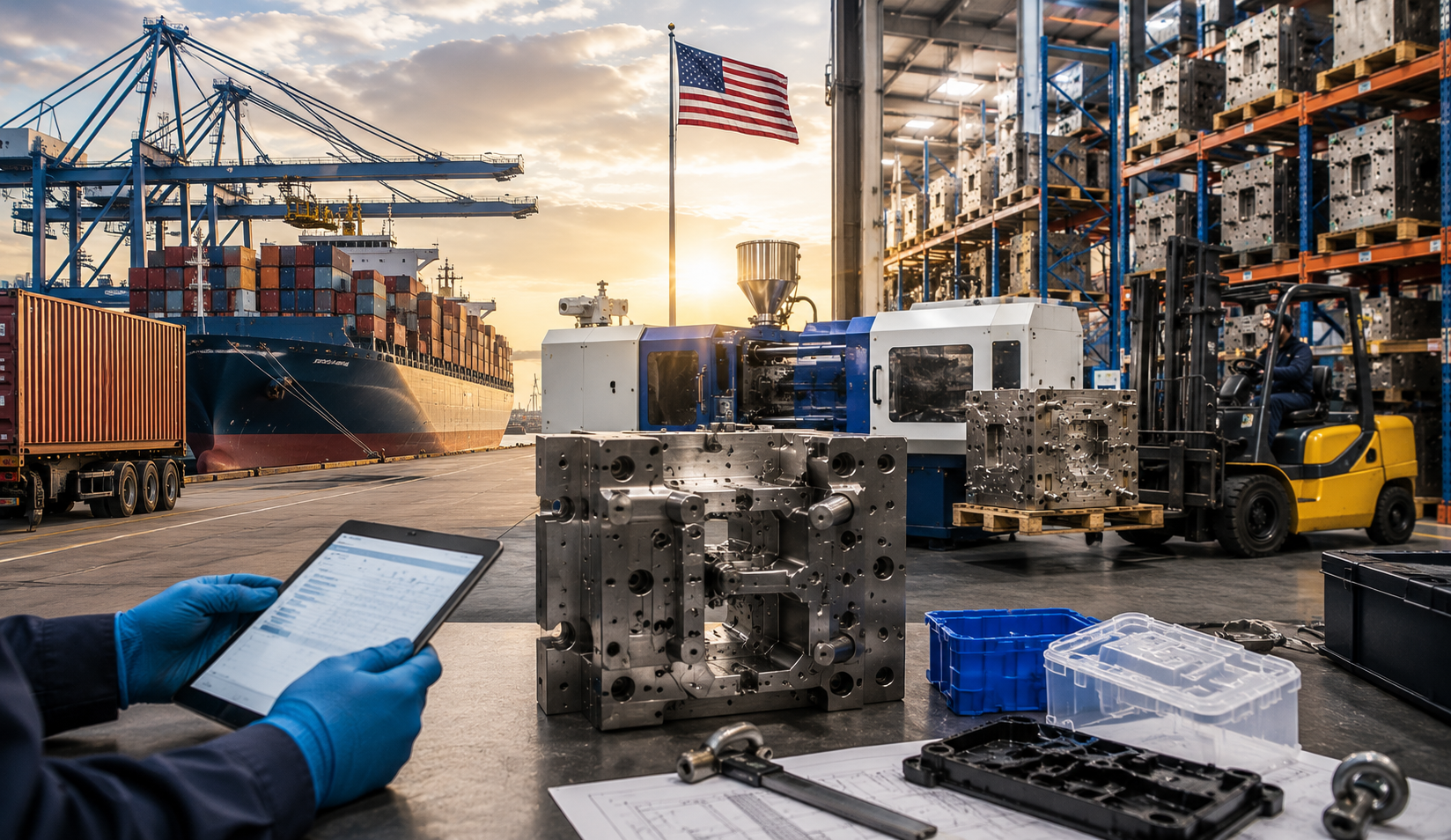
For plastics manufacturers, tariffs are no longer just a trade policy headline. They are becoming another variable in decisions involving materials, molds, machinery, sourcing, and production capacity.
In July 2026, the United States implemented new Section 301 tariffs covering imports from dozens of trading partners. Depending on the economy and applicable exemptions, additional duties generally range from 10% to 12.5%. USTR states that the measures are intended to address trade advantages associated with inadequate enforcement against goods produced with forced labor.
For the plastics industry, however, the impact goes far beyond a tariff percentage.
More Plastics Are Now Part of the Equation
ICIS reported in August that the new Section 301 framework covers more plastics and chemicals than previous U.S. tariff measures, largely because broad product exemptions are more limited.
This creates two sides to the equation. Tariffs may provide U.S. producers with greater protection against certain lower-cost imports. At the same time, they can increase costs for manufacturers that depend on imported chemicals, plastics, feedstocks, components, and other production inputs.
For Manufacturers, Price Is Only One Variable
The changing trade environment makes total acquisition cost and time to production increasingly important considerations.
When evaluating a mold or machine, manufacturers may need to consider not only the purchase price, but also country of origin, applicable duties, transportation costs, lead times, availability, and the cost of waiting for production capacity.
Together, these factors can significantly change the economics behind a sourcing decision.
Equipment or tooling already available closer to the manufacturing operation does not automatically become the right choice. However, when imported alternatives face additional costs or uncertainty, existing inventory may deserve a second look.
A Different Question for the Plastics Industry
The question is no longer simply:
“How much does this mold or machine cost?”
Manufacturers increasingly need to ask:
“What will it cost, and how long will it take, to have the capacity available where I need it?”
Tariff policies may continue to evolve. For plastics manufacturers, this makes it increasingly important to evaluate cost, sourcing, logistics, and production readiness as parts of the same decision.
When the Equation Changes, It Pays to Explore More Options
In an environment where tariffs, logistics, and lead times can change the true cost of an investment, having more options can make a difference. Molds Unlimited can help you explore available new and used molds and machinery, review existing inventory, and identify assets that may fit the requirements of your next project. Talk to one of our representatives and discover what options are currently available for your operation.